
103 search results for them
-
News
 Published: 19 February 2025
The science and art of waiting for a bus
Should one stand right next to the bus stop sign, in the near vicinity, or sit on the bench? The approaches differ when it comes to waiting for a bus.
-
News
 Published: 6 February 2025
The endangered semicolon, and why it should be celebrated
The semicolon is controversial – some find it unwieldy and unnecessary, while others believe it offers opportunities for stylistic variation. Today is Semicolon Day, so we asked Mikael Berger, a senior lecturer and linguist at Malmö University, to give us...
-
Programme
 Programme, bachelor’s level | 180 credits
Human Rights
30 August 2027 - 9 June 2030Malmö | daytime | 100%Open for application -
Programme
 Programme, master’s level | 60 credits
Political Science: Global Politics and Societal Change, Master's Programme (One-Year)
30 August 2027 - 4 June 2028Malmö | daytime | 100%Open for application -
Course
 Course, bachelor’s level | 30 credits
Caucasus Studies
31 August 2026 - 17 January 2027Distance | mixed hours | 100% -
Research Project

History teaching that promote pupils' handling of historical accounts - An intervention study in collaboration between teachers and...
david.rosenlund@mau.se1 January 2025 - 31 December 2027 -
Research Project
Families experiencing cancer- Support to prevent cancer-related illness: FamCASP
maria.samuelsson@mau.se1 September 2024 - 30 June 2026 -
Doctoral Project
Operating theatre nurses' concerns, experiences and perceptions from participating in organ procurement
linda.ch.andersson@mau.se1 March 2023 - 31 March 2028 -
Staff
Mats Greiff - Professor emeritus/emerita
mats.greiff@mau.se+46 70 369 40 44Department of Society, Culture and Identity -
News
 DOKTORSAVHANDLING | Published: 24 January 2025
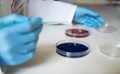
Acid tolerance of oral bacteria is focus of new thesis
Our mouths are full of bacteria that protect us from diseases. When we eat too much sugar or neglect to brush, the bacterial flora is disrupted – the environment becomes acidic. A new thesis sheds light on how oral bacteria adapt to acidic environments.