Imagining and Co-Creating Futures
The world faces a deficit of social imagination. We find it easy to imagine apocalypse and disaster; or to imagine new generations of technology. But we find it much harder than in the past to imagine a better society a generation or more into the future.
Geoff Mulgan, The Imaginary Crisis (2020)


Previous FUTURES Thoughts
Spring 2026
- #7: What Grows in a Silicon Forest? (9 April)
Melissa Gregg, Professor of Digital Futures, University of Bristol, UK - #8: Pluralising and Politicizing Service Design: Critical Agendas and a Worker-Centered Approach (23 April)
Lara Penin, Professor in Transdisciplinary Design, The New School, US - #9: Engaged Scholarship for Possible Futures: Let’s Burst the Foresight Bubble Together (23 April)
Sarah Pink, Laureate Professor and Director of the Emerging Technologies Lab and FUTURES Hub, Monash University, Australia - #10: Decolonisation by (and with) Old White Men in Flow Feelers. Is That Even Possible, Relevant, or Feasible? (7 May)
Martin Hultman, Professor of Sociology, University of Gothenburg, Sweden - #11: Imaginative Futures: Imagination, Art, and Media in a Strange World (28 May)
Bo Reimer, Professor Emeritus of Media and Communication Studies, Malmö University, Sweden - #12: A Conversation on Art, Radical Imagination and Hope (16 June)
Geoff Mulgan, Professor of Collective Intelligence, Public Policy and Social Innovation, University College London, UK. Organised in collaboration with Malmö Möts (12–18 June).
Autumn 2025
- #1: A Manifesto for Making Critical, Crip & Cyborg Futures
Laura Forlano, Northeastern University, US - #2: Where on Earth Are We? The Role of Academic Scholars in Times of Threatened Democracy
Birgit Schaffar, University of Helsinki, Finland - #3: Learning from “Aesthetics of Access”: Engaging in Participatory Design as a Relaxed Performance
Laura Popplow, Köln International School of Design, Germany - #4: Creative and Community-Centred Approaches to Sociodigital Futures
Laurène Cheilan, Centre for Sociodigital Futures, University of Bristol, UK - #5: Futures
With the editorial team of Fronesis (special issue on futures): Charlotte Fridolfsson, Ylva Gislén, Dalia Mukhtar-Landgren, Carolina Pettersson, Lina Rahm and Åsa Ståhl - #6: Danish Colonial Reproductive in Kalaallit Nunaat
Naja Dyrendom Graugaard, University of Copenhagen, Denmark
-
 Research project
FanVEX - Fanization of Violent Extremism on Social Media
-
Research project
Towards Repurposing LLMs as tools for embodied introspection
-
Research project
School, hope and future- Ideas about a good life and future in educational contexts
-
Research project
Sensing Sustainable Futures - Embodied Imaginaries through Mixed Reality Performances
-
Research project
Data Conversations
-
Research project
Academic policy support of social innovation for sustainable transition
-
Research project
Practicing Hope: Challenging myths and changing narratives of youth in super-diverse urban communities (YouHope)
-
Research project
The Forbidden Music
-
Research project
Belonging under the same sky: participatory design with clouds and weather.
-
Research project
Digital Work Futures: Adopting and adapting to AI-infused platforms in the digital and creative industries
-
Research project
Future Society and Democracy in Europe
-
Research project
Design after Progress: Reimagining Design Histories and Futures
-
Research project
Twists of the Smart Body. Biohacking as existential practice


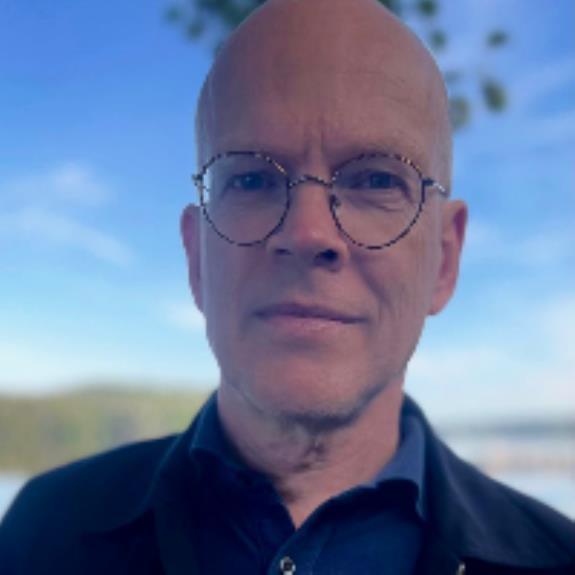
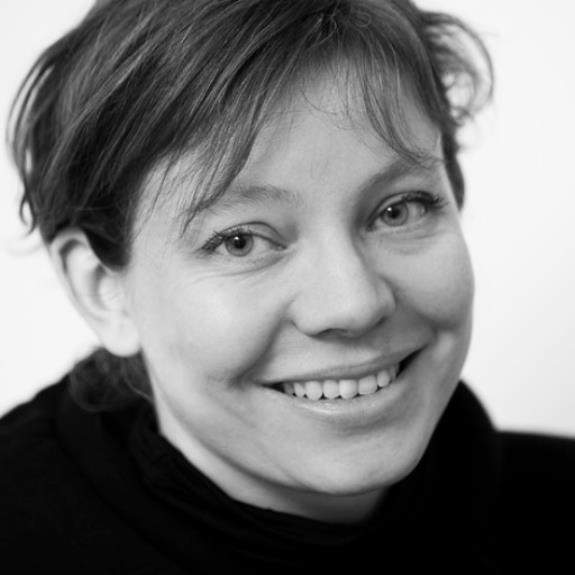
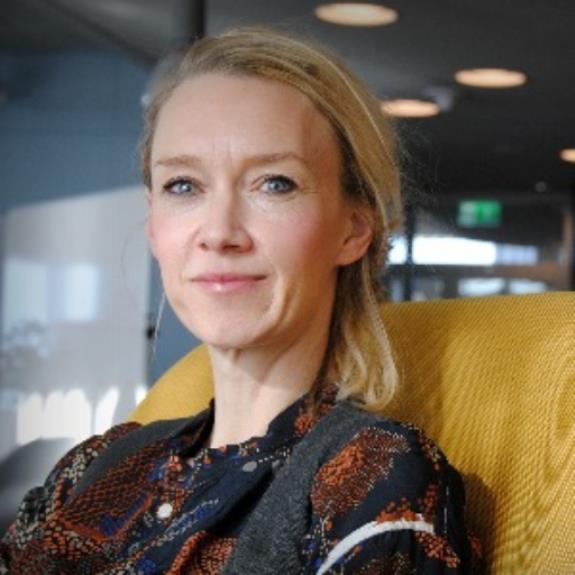
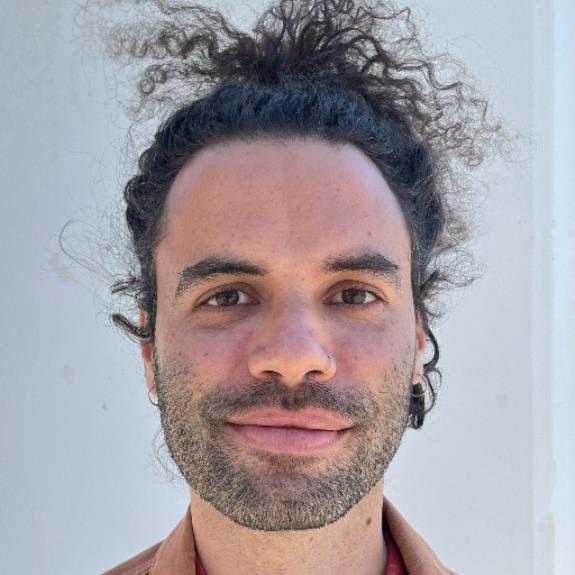
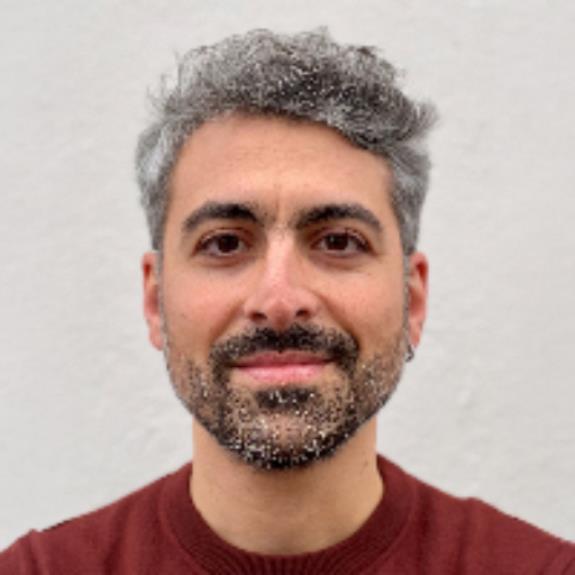

Martin Cathcart Fröden



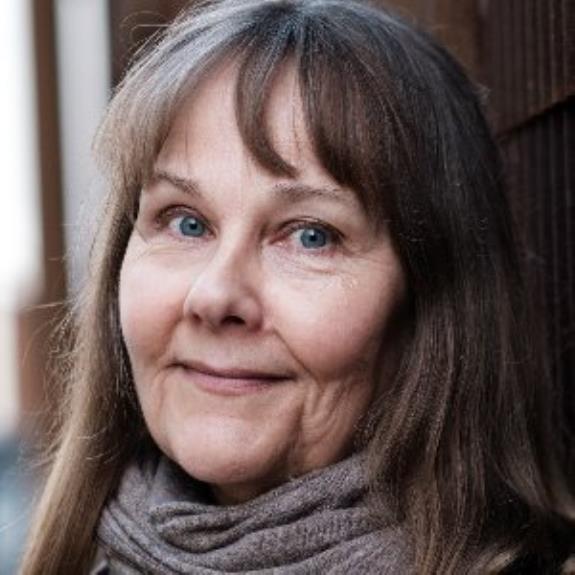
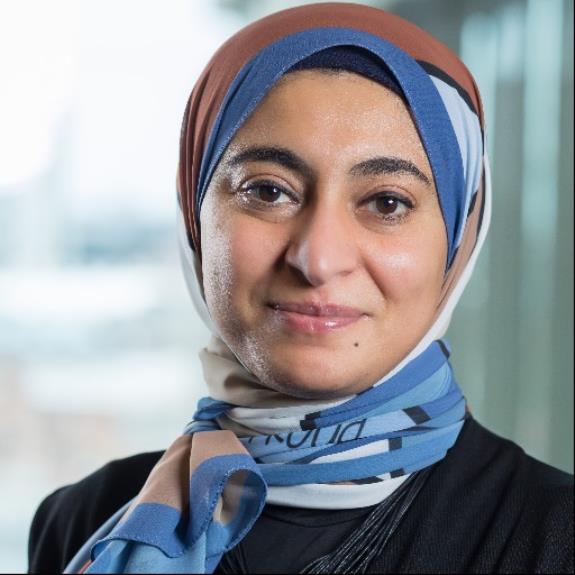
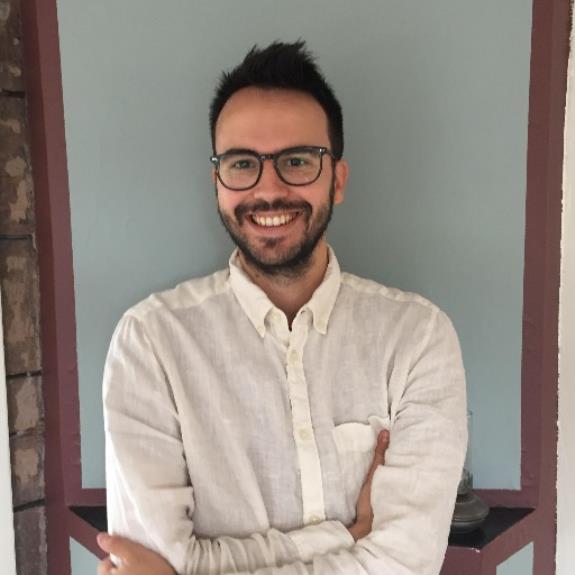

Anne Harju
Hanna Hofverberg
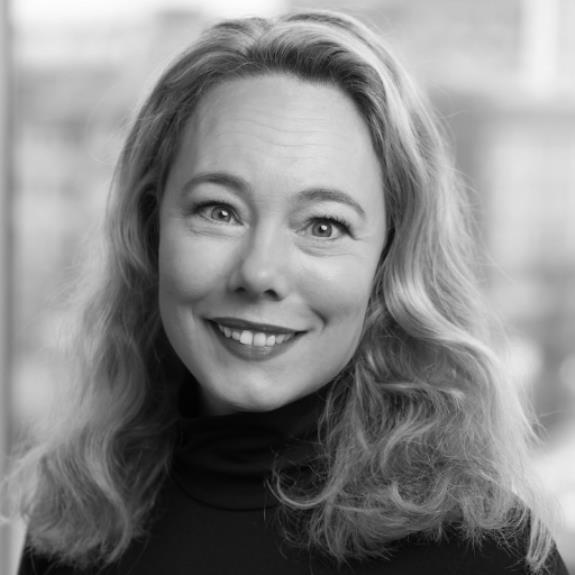
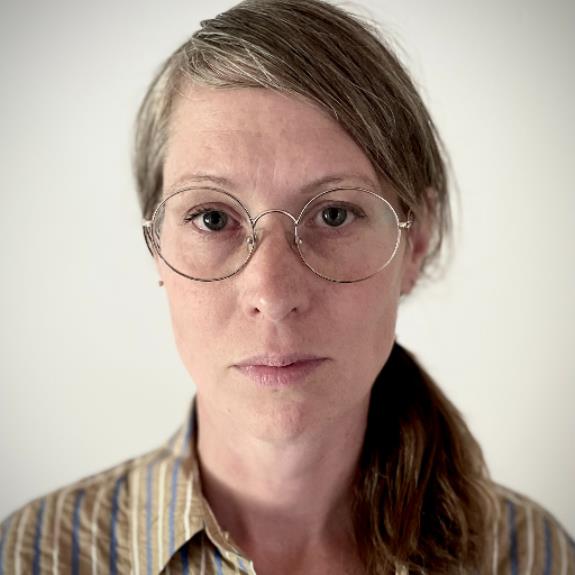

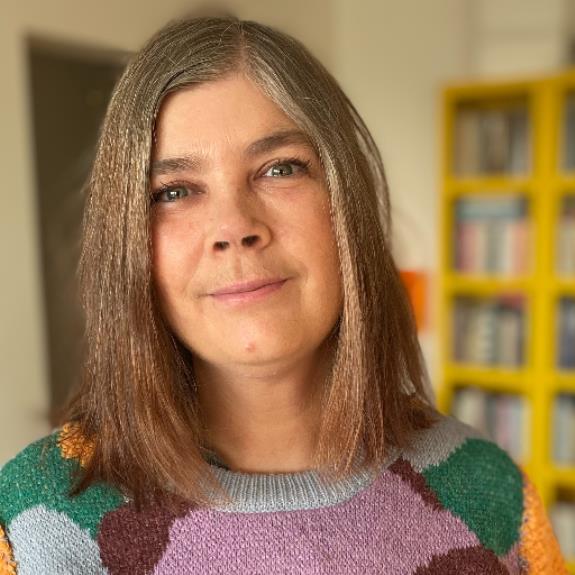
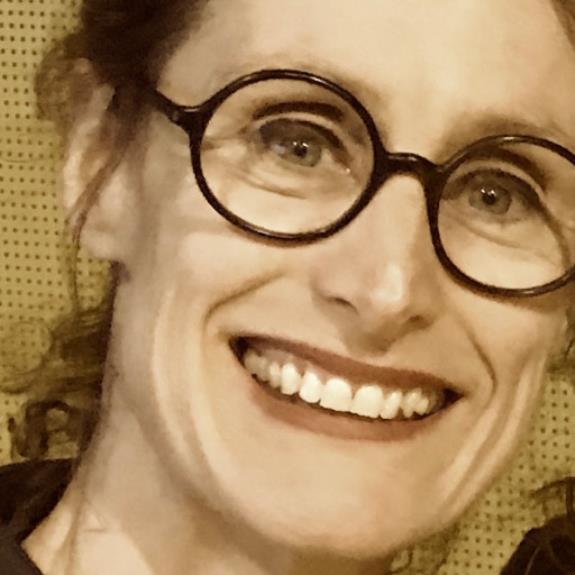

Anders Melin

Fredrik Mohammadi Norén


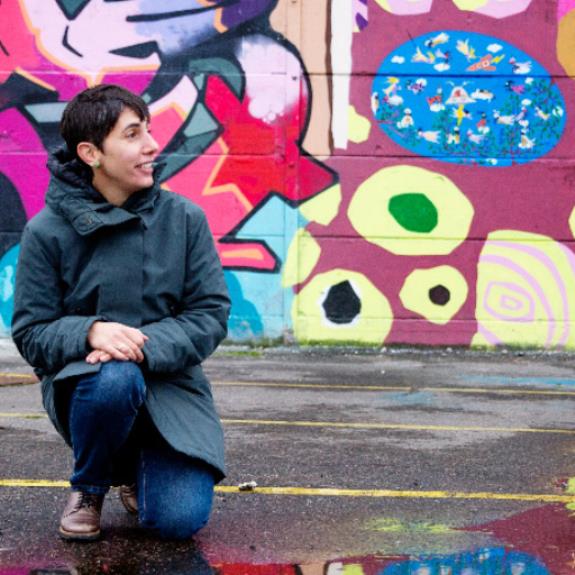
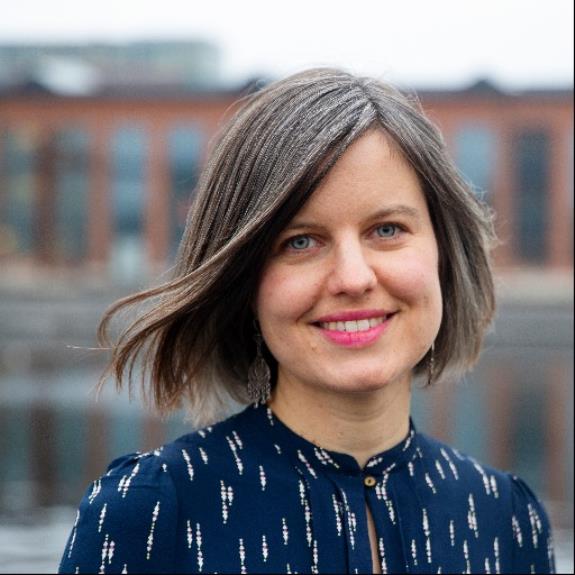
Hanna Sjögren
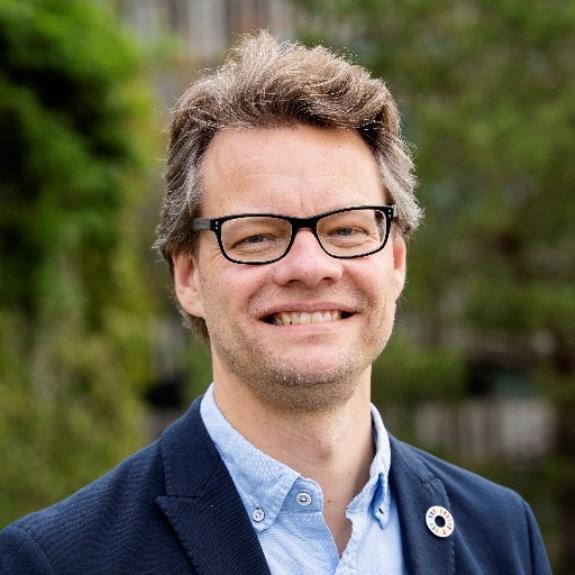
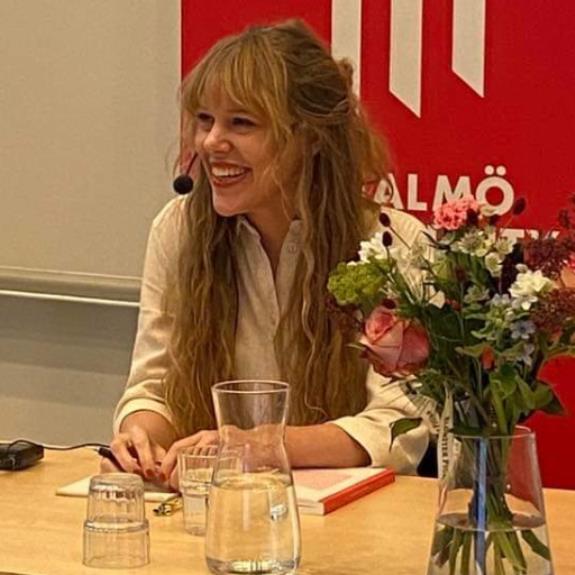

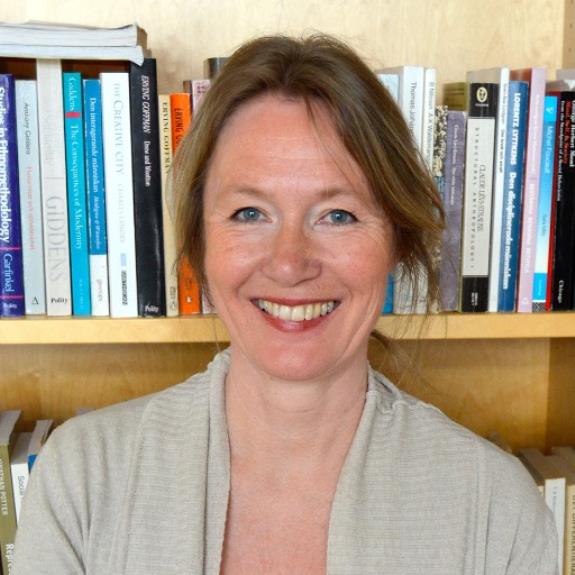
Filippa Säwe


-
2026 | Article in journal
An Empirically Grounded Framework for Documenting Digital Cultural Heritage Use/Reuse
Mahendra Mahey, Pille Pruulmann-Vengerfeldt, Pille Runnel
-
2026 | Chapter in book
Between narratives of schadenfreude, humiliation, and redemption: far-right imaginaries of Denmark in Sweden and Sweden in Denmar k
Ryan Switzer, Tina Askanius
-
2026 | Article in journal
Municipalities' different interpretations of justice for families who do not participate in local school choice regimes
Hanna Sjögren, Sara Carlbaum, Caroline Adolfsson
-
2026 | Article in journal
The Haunting Sound of Futures Lost & Found: The Relational Art of Remixing Voyager's Golden Record
Hugo Boothby, Lucy Cathcart Frödén, Erin Cory, Line Henriksen, Bo Reimer, Bojana Romic
-
2026 | Article in journal
AI for AI: anteriority and interiority for AI inflected immersive dance
Susan Kozel
-
2026 | Chapter in book
Anti-feminism, violent misogyny and far-right extremism
Maria Brock, Tina Askanius
-
2026 | Conference paper
From Present Education to Imagined Futures: Students' ideas of Adult Everyday Life in the future
Frida Wikstrand, Bodil Liljefors Persson
-
2026 | Chapter in book
Dance and Phenomenology
Susan Kozel
-
2026 | Chapter in book
In the Half-Light: Phenomenological Approaches to Complex Technological Systems
Susan Kozel
-
2026 | Article in journal
Rape(d) nation: tropes of sexual violence and rape fantasies in far-right 'Sweden-memes'
Maria Brock, Tina Askanius
Email us
futures@mau.se-

Dylan Alsop – Doctoral student
dylan.alsop@mau.se
-

Sara Gottschalk – Lecturer
sara.gottschalk@mau.se
-
PH
Per-Anders Hillgren – Professor
per-anders.hillgren@mau.se
-

Kenneth Mølbjerg Jørgensen – Professor
kenneth.molbjerg-jorgensen@mau.se
-

Hanna Sjögren – Associate Professor/Senior lecturer
hanna.sjogren@mau.se
-

Michael Strange – Associate Professor/Senior lecturer
michael.strange@mau.se