FACULTY OF CULTURE AND SOCIETY | Seminar
Migration seminar: Pregnancy, childbirth and parenting as entry points into receiving societies
Thursday 19 November, 13:15 - 15:00
Niagara, 9th floor, Nordenskiöldsgatan 1, or Zoom
Perspectives from Japan and Sweden
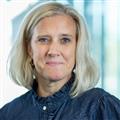
Profile: Sumire Anzai, public health nurse, midwife, doctoral student in Health Sciences at Kyoto University in Japan, and a JSPS Research Fellow (DC2)
Abstract
International migrants include many people of reproductive age and those in the stages of starting or raising families. Pregnancy, childbirth, and parenting are therefore important aspects of migrant health and well-being.
For migrants at particular stages of their lives, pregnancy, childbirth, and parenting can serve as important entry points into receiving societies. These life events may provide opportunities to access healthcare and social services, build relationships with professionals, and develop connections within local communities. From a life-course perspective, access to appropriate healthcare and social support during this period may also have long-term implications for the health and well-being of mothers, children, and families.
Although many experiences and challenges related to pregnancy, childbirth, and parenting are shared across different backgrounds, access to healthcare and social support varies depending on factors such as legal status, language, financial circumstances, and social networks.
Drawing on examples from Japan and Sweden, this seminar explores pregnancy, childbirth, and parenting not only as important aspects of migrant health but also as opportunities to build connections with receiving societies, considering both their potential and the challenges involved.
Short bio
Sumire Anzai is a public health nurse, midwife, doctoral student in Health Sciences at Kyoto University in Japan, and a JSPS Research Fellow (DC2). She has experience supporting immigrants through her professional work in municipal public health services and healthcare facilities, as well as through volunteer activities with nonprofit organizations (NPOs) in Japan. Her doctoral research focuses on access to maternal healthcare among asylum-seeking women in Japan. She is currently a guest doctoral researcher at Malmö University from August 2026 to January 2027. Her current interests include Swedish approaches to supporting maternal and child health among immigrant families, such as "familjecentraler" and "Föräldraskap i Sverige" (FöS).
Attendance
This is a hybrid seminar, you are welcome to connect via Zoom or join us at MIM seminar room, floor 9. To attend on campus, please gather by the reception area at 13.05. Zoom link will be available closer to the seminar date. If you have any questions, send an email to mim@mau.se.