Weaponising family reunion waiting times in Sweden
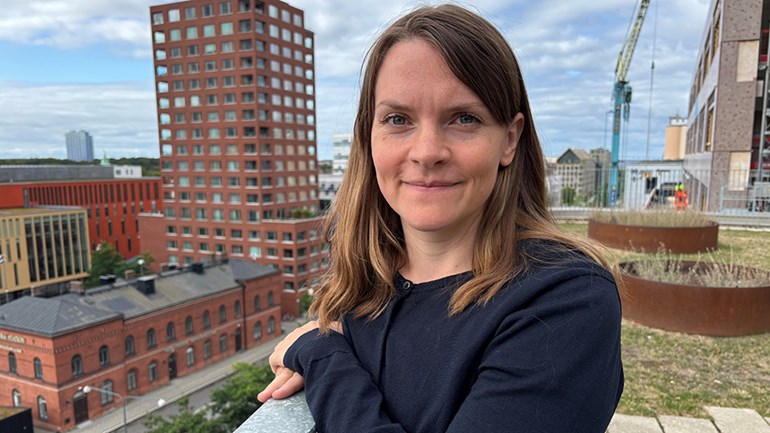
Hilda Gustafsson has investigated how a more restrictive Swedish migration policy uses time to regulate family-based immigration in various ways.
Rules governing family reunification vary and leave many families in a state of uncertainty whilst they wait. A new doctoral thesis shows how waiting times are used as a political tool in the context of family reunification.
Hilda Gustafsson has investigated how a more restrictive Swedish migration policy uses time to regulate family reunification in various ways, such as through temporary residence permits, the obligation to provide financial support, and housing requirements for bringing family members to Sweden. Under the new rules, which come into force on 1 October, a monthly salary of almost 53,000 kronor is required to be reunited with a partner and two children.
The rules affect everyone who has applied for family reunification, and they account for half of all those who have come to Sweden.
Hilda Gustafsson
“It’s a way of controlling who can be reunited; the aim is to bring in highly educated family members who are better off financially. The waiting period is used to regulate who is allowed to come here,’” says Gustafsson.
In her thesis, she interviewed 28 people with experience of family migration; some had been reunited, some were still waiting, and others had had their applications rejected. Research has generally focused on refugees; Gustafsson has also included groups such as Swedish citizens married to a foreign national, international students and people with work permits in Sweden.
“The rules affect everyone who has applied for family reunification, and they account for half of all those who have come to Sweden. The sponsor in Sweden must be able to demonstrate that they can support their family members. The new requirements make this very difficult for many,” says Gustafsson.
She stresses how differently the new requirements affect different groups. Swedish citizens who have lived abroad for a long time can return home with a foreign family without any financial requirements, whilst those with permanent residence permits in Sweden are subject to requirements regarding both accommodation and income. Some are covered by the UN Refugee Convention or EU regulations over which Sweden has no control. One somewhat unusual situation is that it is easier for a Danish citizen living in Sweden to bring their family to live with them than it is for a Swede.
“As an EU citizen, a Dane is covered by the EU’s Freedom of Movement Directive, which establishes the right to live with their family in another EU country. This does not apply to a Swede who remains in Sweden, but if they move to Denmark, it does,” says Gustafsson.
It is most difficult for those in need of subsidiary protection, such as Syrians who are not covered by the Refugee Convention. To bring their families here, they must first wait for a decision on their own asylum application and then meet the maintenance requirements.
One theme of the thesis is the implications of the waiting time and what it means for the prospects of a family building a future together. Some had been waiting for a decision for a year. One of the interviewees had to give notice on his flat because he had not received a reply from the Migration Agency. Conditions during the waiting period also vary greatly depending on the opportunities people must visit one another; for example, strict visa rules affect some families much more severely than others, according to Gustafsson.
“We must also take into account those who are waiting in their home country. The whole lives of everyone involved depend on the decision that is made,” says Gustafsson.