
FACULTY OF HEALTH AND SOCIETY | Seminar
Citizen Health lunch seminar with Jane Springett
Wednesday 15 April, 12:00 - 13:00
https://mau-se.zoom.us/j/62434373648?from=addon
Zoom
Citizen Health hosts monthly lunch seminars on Zoom. The seminars are open to join for anyone interested in participatory research, health, innovation and democracy.
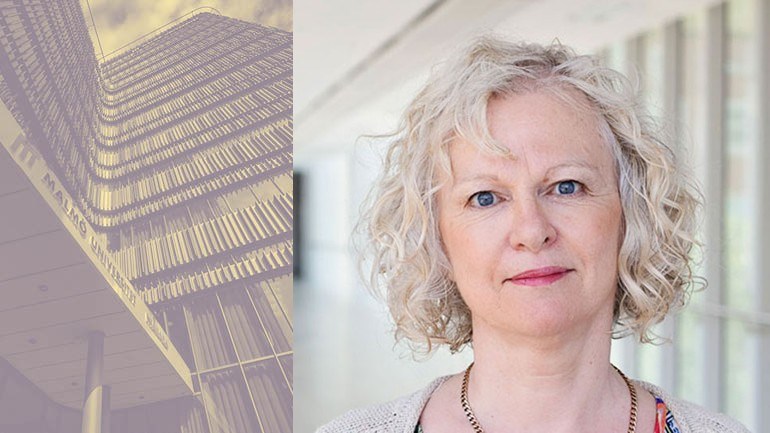
In April we are visited by Professor Jane Springett. Jane has a background in urban geography, but she has been working in the area of health and health promotion for over 30 years, coming to it through the World Health Organization’s Healthy Cities Project. She brings a wealth of experience from working in the United Kingdom (UK) and many other countries, including Canada , Sweden, Mexico and Kyrgyzstan.
Jane is committed to participatory action research (PAR) based on an ecological world view and a principles driven approach to research and knowledge development. This means working with people rather than on them and taking an eclectic and pragmatic approach to research methods based on core values and principles. PAR means seeing learning, research/theory and action not as separate entities, but integrated processes of reflexive knowledge development in which all forms of knowledge are valued but also questioned. She was the co-founder of the International Collaboration on Participatory Health Research (ICPHR) and also worked with the Collaborative Action Research Network (CARN) as a member of the Coordinating team. In recent years, she has returned to her roots in human ecology looking at the relationship between ecological sustainability and participatory practice, drawing on her experience in Canada and from indigenous knowledge.
Jane is co author of a number of books including:
- Ledwith, M., & Springett, J. (2022). Participatory Practice 2E: Community-Based Action for Transformative Change. Policy Press.
- Tineke Abma , Sarah Banks , Tina Cook , Sónia Dias , Wendy Madsen , Jane Springett , Michael T. Wright ( 2019) Participatory Research for Health and Social Well-being.
Having spent over 30 years doing participatory research in a variety of contexts, Jane´s talk will explore some of the opportunities and challenges of this approach to research, drawing on the lessons learnt from personal practice and from the experience of supporting her PhD students in different cultural contexts.