The future of the EU, our species, and an AI overload – a Malmö University academic is in discussions
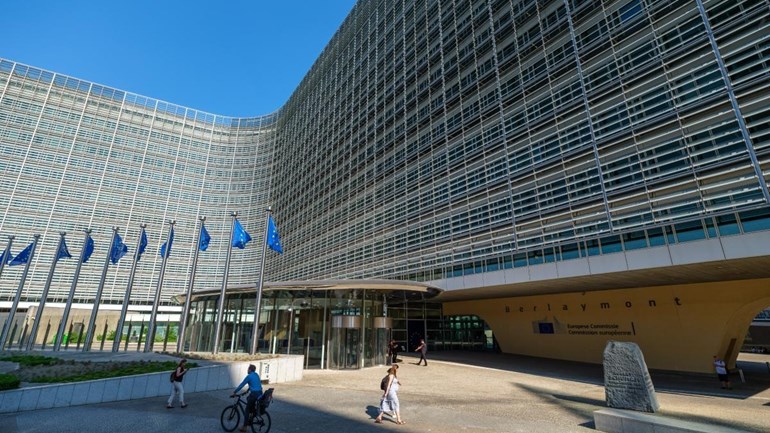
Researcher Michael Strange has participated in discussions on the European Commission's Future Report for 2026. The report is produced annually to identify possible scenarios – risks and threats, but also opportunities – that the EU needs to prepare for.
According to Strange, new energy is needed in the conversation about why the EU exists and what it should achieve. “What is the purpose of joint European action? How can we enable people to prosper, and how can the EU help us feel free?” says Strange, an associate professor of international relations at Malmö University.
Strengthening civil society
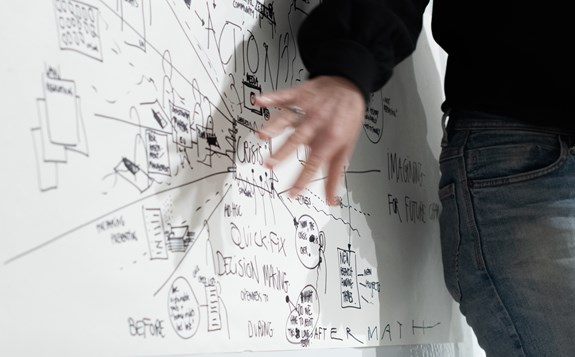
In Brussels, he participated in roundtable discussions with representatives from various fields: academics, artists, civil society representatives, and consultants. Together, they identified factors that could influence Europe's future, such as climate change, political polarisation and geopolitical competition.
The intention was not to say what the EU should do. It's more about anticipating the scenarios the EU may face and the role technology may play.
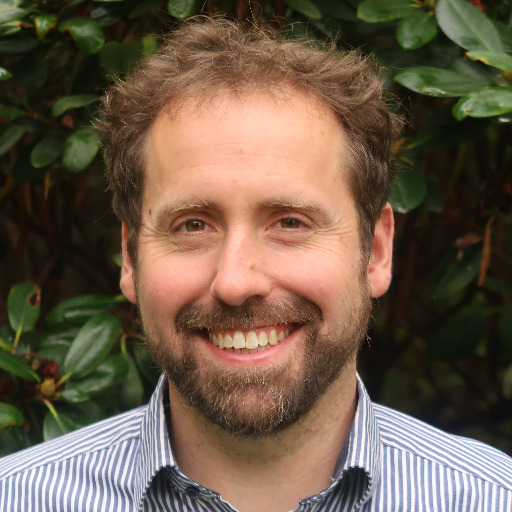
Michael Strange
Strange's group focused on a scenario in which local actors – interest groups, cities, municipalities and regions – are strengthened.
“We thought it was realistic to talk about this because that's where we see the EU's greatest potential power. Most member states have cut funding for education and civil society,” he says, adding:
"What if we did the opposite? At other tables, people were more convinced of increased rivalry between the US and China, or some kind of AI overlord. Our scenario was about how we can increase the chances of our species' survival.”
The development of artificial intelligence was also a recurring theme.
“How can the EU become a global voice in the development of AI, and what does AI mean for the EU's position as a global player? This is also linked to issues of political stability and disinformation,” says Strange.
The report is not intended to provide concrete policy recommendations, but rather to explore possible future scenarios. “The intention was not to say what the EU should do. It's more about anticipating the scenarios the EU may face and the role technology may play.”
Need for a new discussion about the EU's role
According to Strange, there is widespread scepticism about the EU today, while many are unsure about what the EU stands for. If it is to be strong, it must return to the visions of liberation and empowerment that it once had.
“Many people are no longer sure what the EU is and feel powerless. We often get stuck in discussions about the present. We must look ahead and explore different possible futures. Scenarios can give us new perspectives on the major issues that will determine our future,” adds Strange.