New database to provide better knowledge about inclusion and discrimination in Malmö
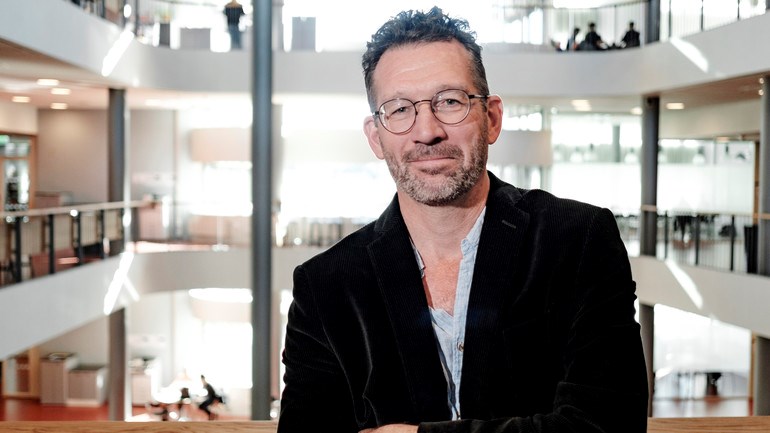
"Today, we don't have a comprehensive picture of why people are discriminated against; we only have approximate measures. With data based on self-identification, we can see whether it has to do with religion, ethnicity, language or something else, and we can understand and tackle the problem," says Pieter Bevelander.
Migration researchers at Malmö University are developing a new database to map how Malmö has changed with increased migration. The aim is also to be able to detect and see how factors such as ethnicity and religious affiliation affect inclusion or exclusion in society.
“We know that discrimination exists, but we don't know exactly what lies behind it,” says Pieter Bevelander, professor and director of the Malmö Institute for Migration Studies (MIM).
The goal is to be able to conduct better research on categories for which there is currently no register data. We also want to be able to highlight how these things affect people's lives.
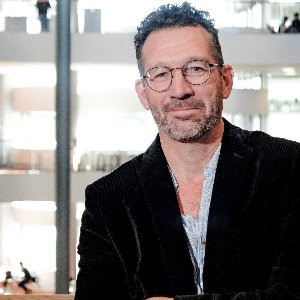
Pieter Bevelander
Swedish register data contains information that makes it possible to follow people over time: it includes detail such as country of birth, place of residence, when they came to Sweden, citizenship and domicile. However, unlike in some other countries, there is no information on things such as self-identified ethnicity, religious affiliation, language skills and sexual orientation.
These questions were asked in a diversity and inclusion survey that MIM asked Statistics Sweden (SCB) to send out to 30,000 Malmö residents this spring. 5,644 people (18.6 per cent) responded, which is a large sample size. The sample in this pilot study was selected to reach more people with foreign backgrounds and young people – groups that are usually less likely to respond to surveys – as well as people with lower levels of education.
“In general, our sample reflects the population of Malmö. Hopefully, we will see new patterns that will lead to more questions and to better studies, where we can study different parts of the city or groups that we cannot cover today,” says Bevelander.
The researchers will now use the survey responses to supplement existing register data to develop a database that can be used to analyse inclusion and exclusion in the labour market, in health, links to political integration, or trust in institutions.
“People have answered questions about which languages they speak, their experiences of discrimination, their trust in social institutions and other things we want to know in order to discuss and further develop what inclusion means for people,” says Bevelander.
The survey responses will now be analysed; Bevelander and MIM will conduct similar surveys nationally in 2026, 2028 and 2030.
“The goal is to be able to conduct better research on categories for which there is currently no register data. We also want to be able to highlight how these things affect people's lives,” says Bevelander.