We use cookies on this website. Cookies help us deliver the best experience on our website. Read about cookies.
-
- Education
- Education
- Programmes and courses
- Applications and admissions
- Tuition fees
- Scholarships
- Exchange studies at Malmö University
- Study Guidance
-
- After admission
- After admission
- Moving to Malmö
- Pre-orientation
- Arrival guide
-
- About studies at Malmö University
- Why choose Malmö University
- Understanding university studies
- Connect with our students
On the page -
- Research
- Research
-
- Doctoral studies
- Doctoral studies
- Doctoral courses
-
- Doctoral schools
- Doctoral schools
- Adaptation of urban space through sustainable regeneration
- ComBine
- Culturally Empowering Education through Language and Literature
- Education, Learning and Globalisation
- Finding ways in a time of great future challenges (FinnFram)
- Swedish National Graduate School in Science and Technology Education Research
- Learning in Multicultural Societal Contexts
- Pedagogy and Vocational Skills
- Relevancing Mathematics and Science Education (RelMaS)
- Sustainable Movement Education
- The National Research School for Professionals in Social Services
- Research subjects
-
- Research centres
- Research centres
- Biofilms Research Centre for Biointerfaces
- Citizen Health
- Imagining and Co-Creating Futures
- Institute for Urban Research
- Malmö Institute for Migration Studies
- Literacy and Inclusive Teaching
- Centre for Work Life Studies
- Sustainable Digitalisation Research Centre
- Centre for Sexology and Sexuality Studies
-
- Research publications
- Search for research publications in Diva
- Malmö University Press
- Research events
- Participate in a research study
- Coffee Break Quiz
On the page -
- Collaboration and Innovation
-
- Levels of collaboration
-
- Local collaboration
- Muvah
- Regional collaboration
- National collaboration
- International collaboration
- Innovation
- Collaboration with students
-
- Collaborate with researchers
- Labs and facilities
- Culture collaboration
- Support Malmö University
- Alumni & Friends
On the page -
- About us
- About us
-
- Faculties and departments
-
- Faculty of Culture and Society
- Department of Global Political Studies
- School of Arts and Communication
- Department of Urban Studies
-
- Faculty of Education and Society
- Department of Childhood, Education and Society
- Department of Sports Sciences
- Department of Culture, Languages and Media
- Department of Natural Science, Mathematics and Society
- Department of Society, Culture and Identity
- Department of School Development and Leadership
- The Centre for Teaching and Learning (CAKL)
-
- Faculty of Technology and Society
- Department of Computer Science and Media Technology
- Department of Materials Science and Applied Mathematics
- Faculty of Odontology
- University Dental Clinic
-
- Find and contact Malmö University
- Visit Malmö University
-
- News and press
- News and press
- Graphic manual
- Map of the buildings (Google Maps)
- Merchandise
- Supplier information and invoice management
- Whistleblowing
- We will help you with your questions
- Management and decision-making paths
-
- Malmö University's strategy 2030
- Sustainability
- Widened recruitment and participation
- Quality assurance work at the University
-
- Malmö Academic Choir and Orchestra
- Student work – video pieces
-
- Annual Academic Celebration
- Academic traditions
- Meet our new professors
- Meet our new doctors
- Honorary doctors
-
- The University in a troubled world
- Campus total defence
On the page
The importance of the living environment for health and well-being
environment for health and well-being
Would you like to participate in research on your living environment? We are looking for people over the age of 17 who have lived in Alvesta municipality for at least two years.
About the study
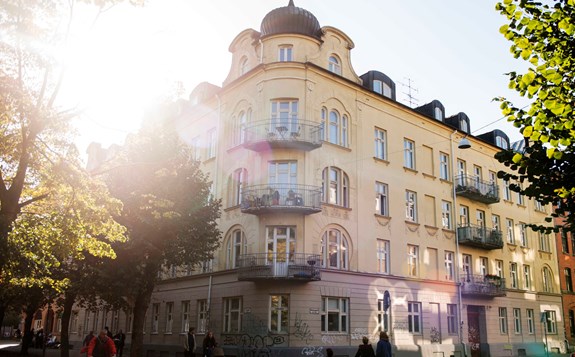
The study examines how the living environment and local surroundings affect people's everyday lives, health and well-being. We are particularly interested in how people experience their neighbourhood, the places they use or avoid, and how social relationships and opportunities for participation affect people's well-being.
The study has been approved by the Swedish Ethical Review Authority, reference number 2025-07337-01.
What does participation involve?
The study consists of two interviews, and you can choose whether you want to participate in one or two occasions.
The first interview will take place in February–March 2026, and if you want to participate in a follow-up interview, it will take place in April–June 2026. We will agree on the time and place for the interviews together.
All information you share will be treated confidentially, and your name will not appear in the research material.
Here's how it works:
- The interviews take between 1 and 1.5 hours.
- The first interview is an in-depth interview where we talk about how you experience your neighbourhood, how it affects your everyday life and how it may impact your health.
- The second interview is a walk-along interview, where we walk together in your local area, for example, on your way to the shops or work, and you can show us places that affect your well-being.
- The interviews are conducted in Swedish or English. If you would like to speak another language, we can use an interpreter.
Would you like to participate in the study?
We are looking for people who have lived in Alvesta town (the area west of the railway) for at least two years and are over 17 years of age.
You can register by clicking on the link below and filling in the form.
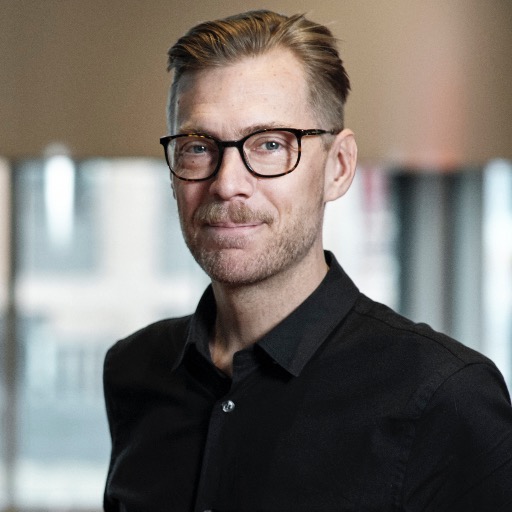
You can also register by contacting the responsible researcher, Martin Grander.
What will you do with the material you collect?
The material will be analysed and used as a basis for the study's results. Only researchers associated with the study will have access to the material. Your name will be removed from your data and replaced with a code.
The study's results will be published in scientific journals and reports. The results will also be shared with officials in the Alvesta municipality to serve as a basis for area development initiatives.